Please fill in your details below to subscribe to
The Dot Project newsletter.
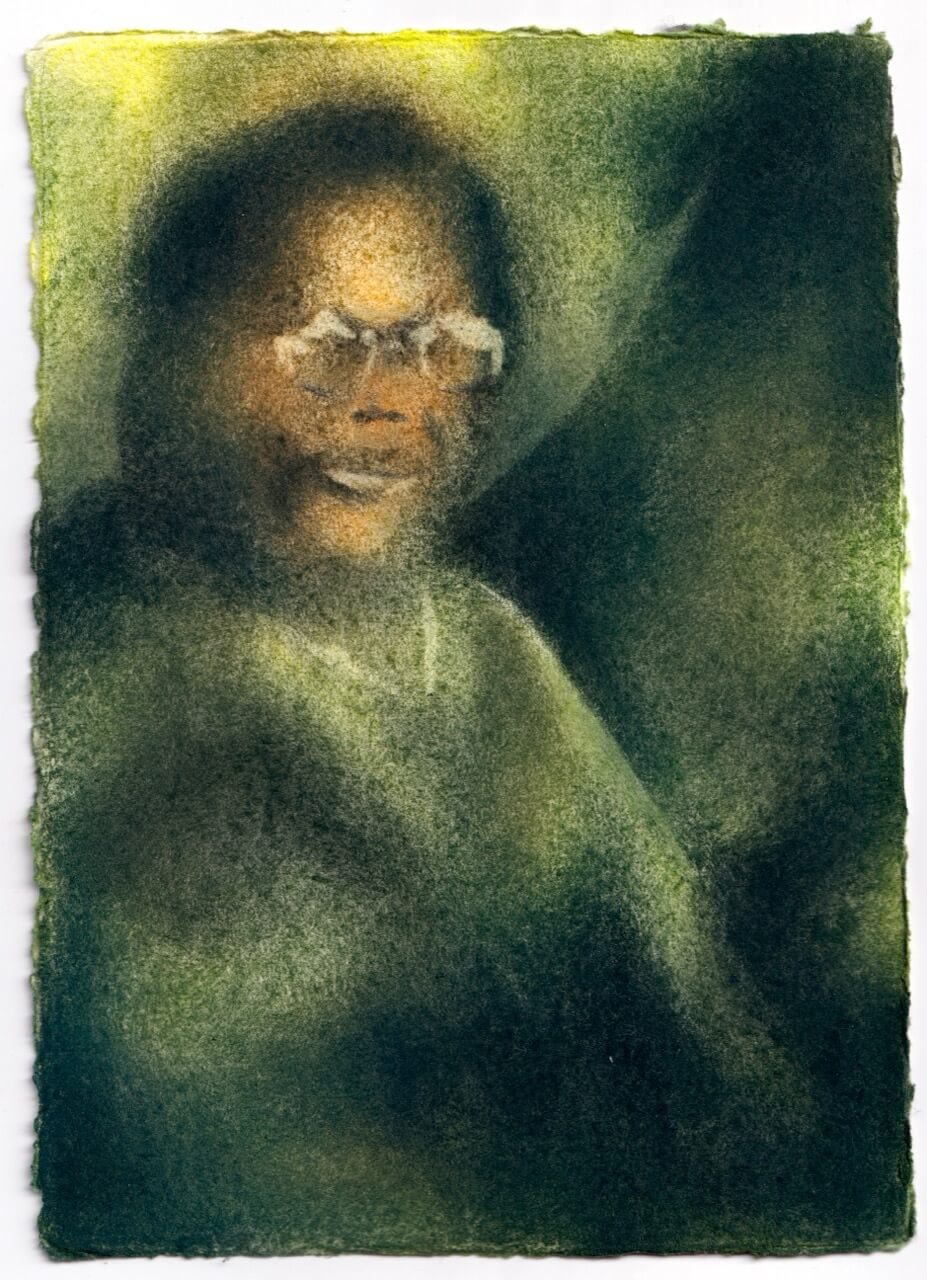
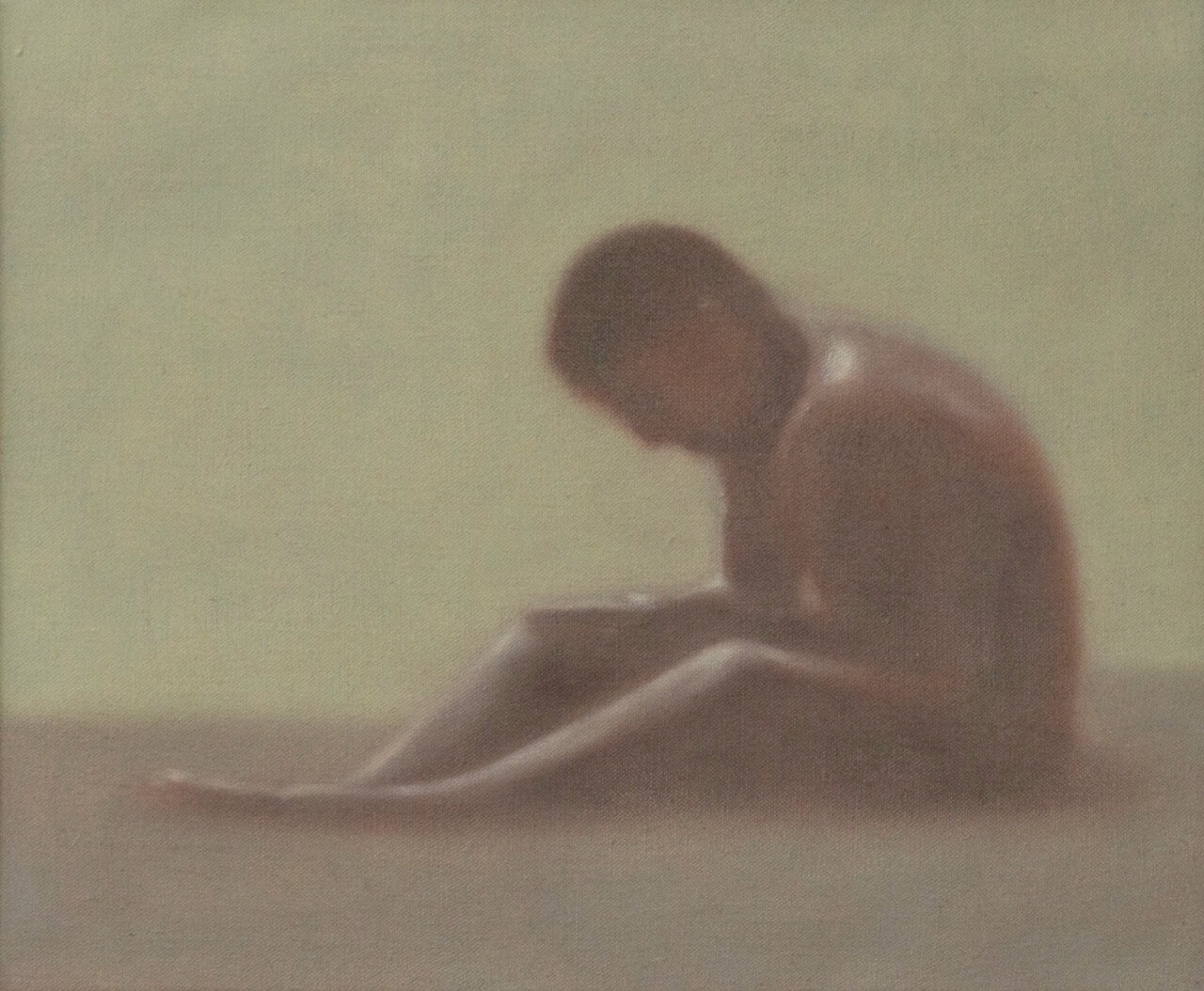
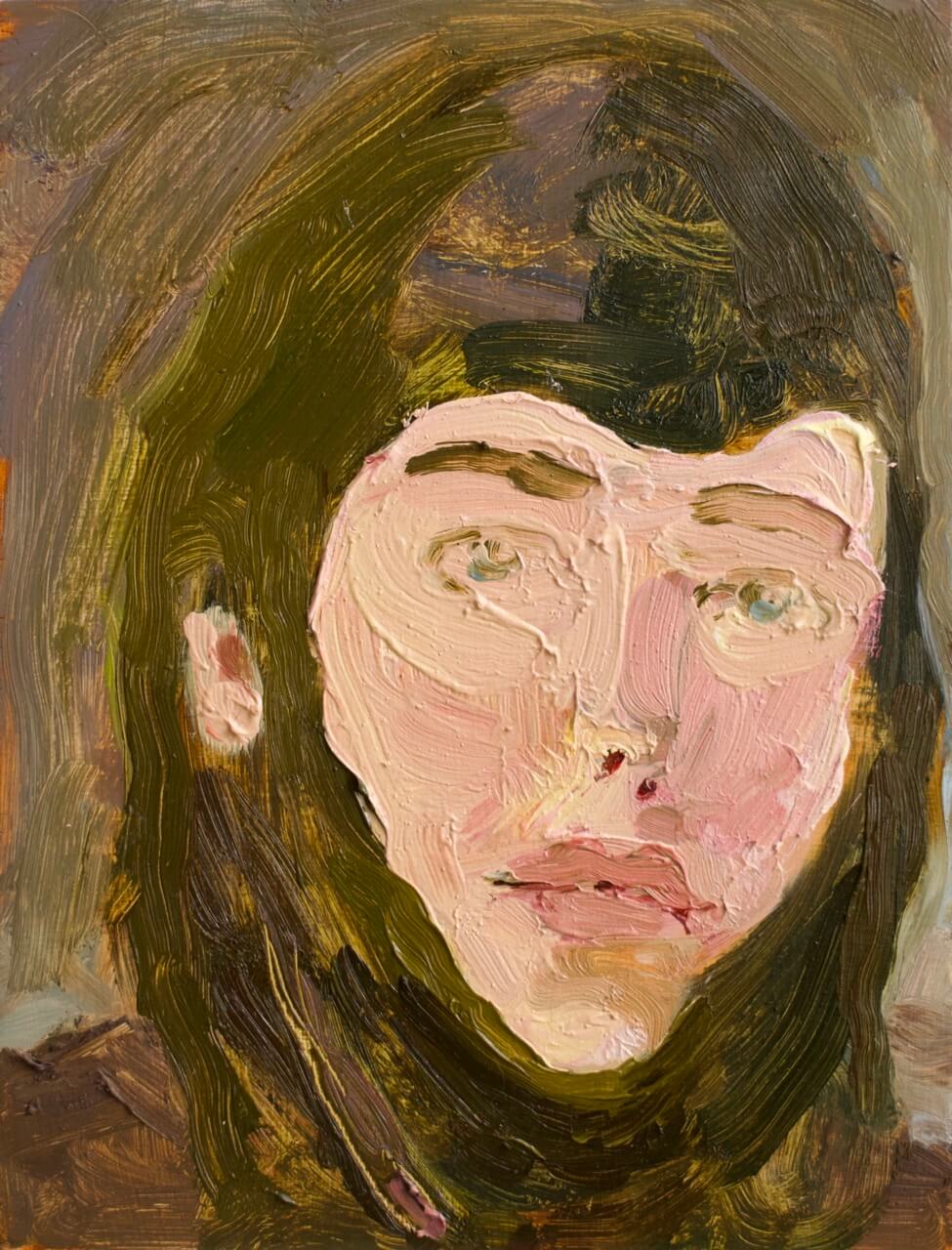
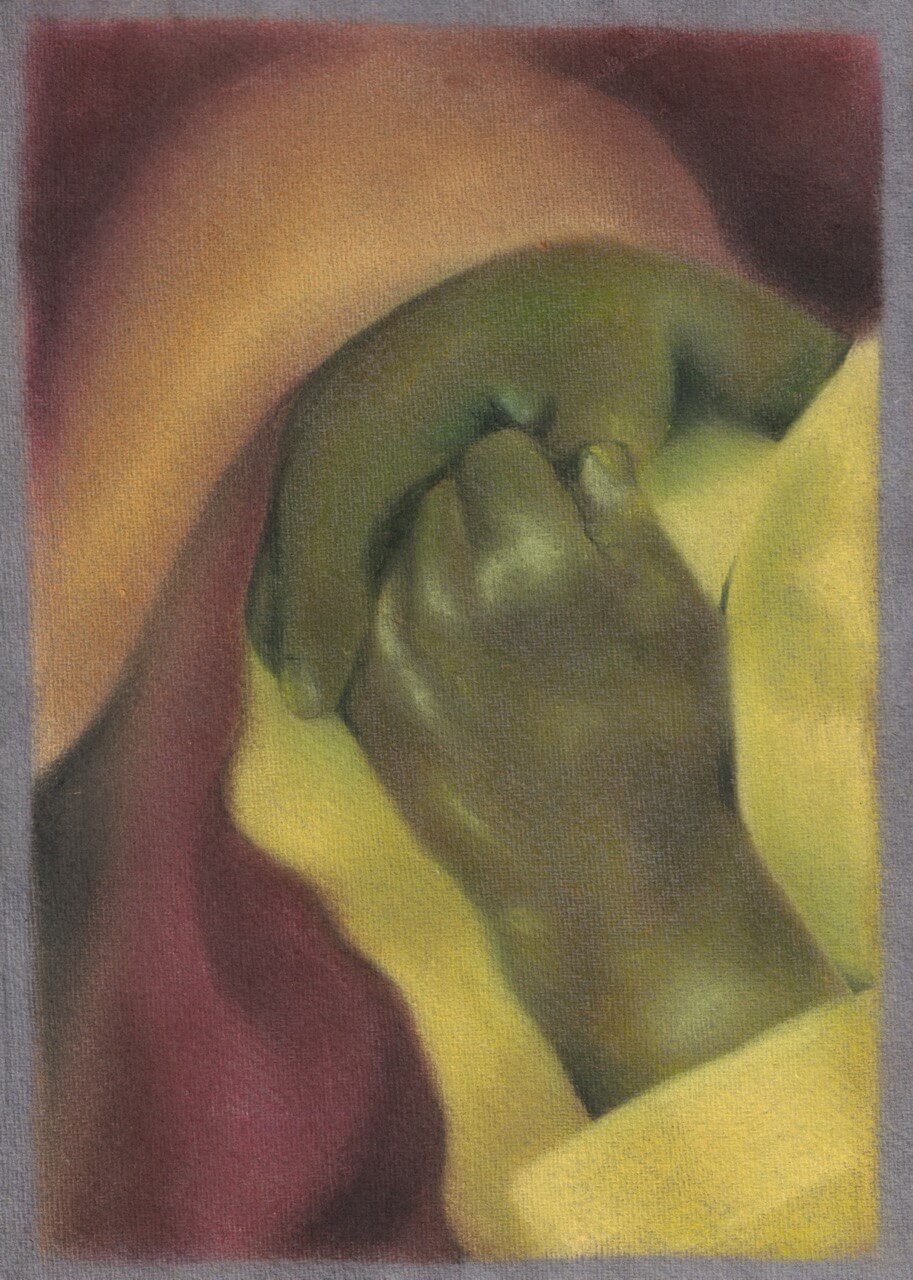
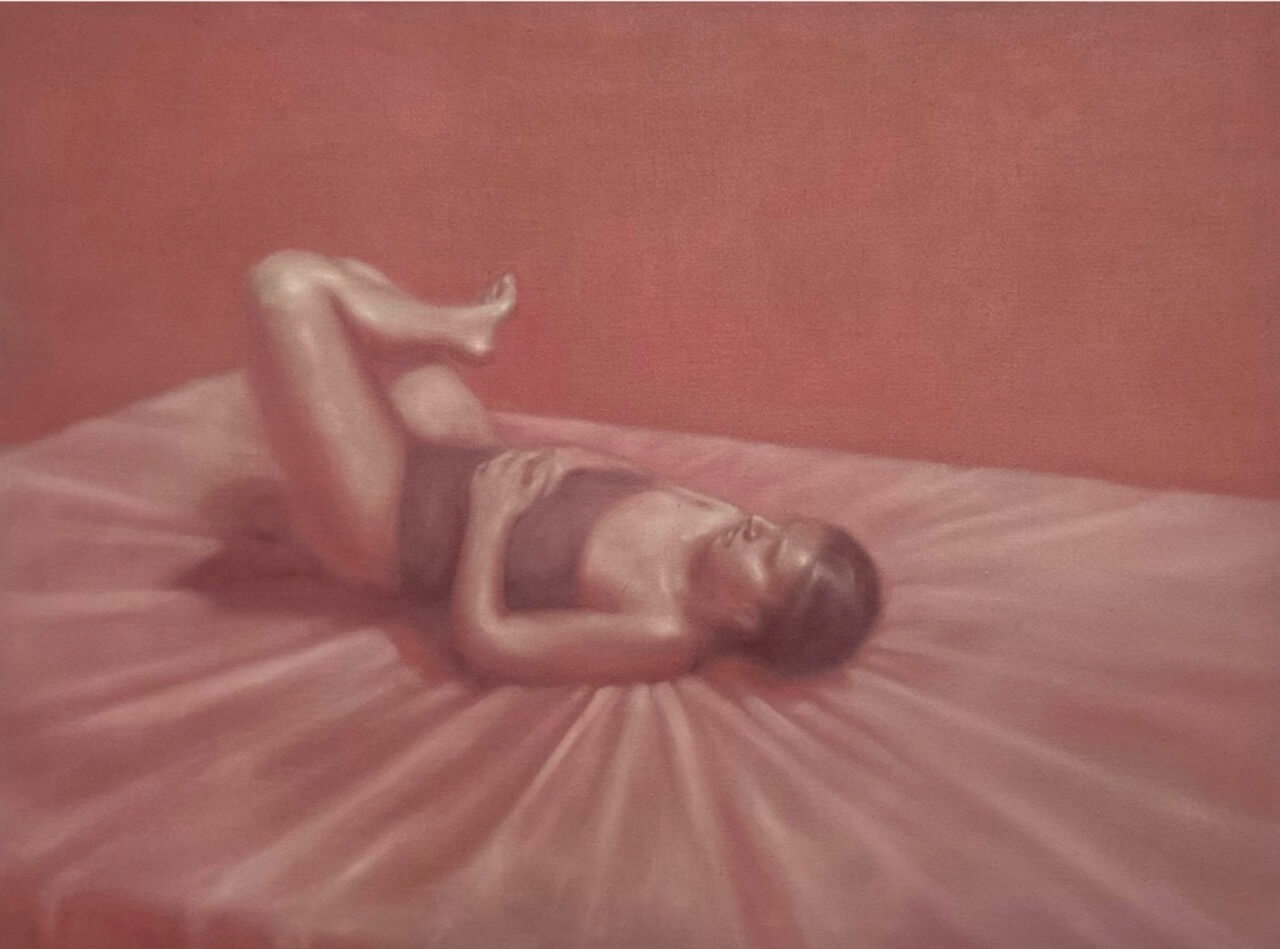
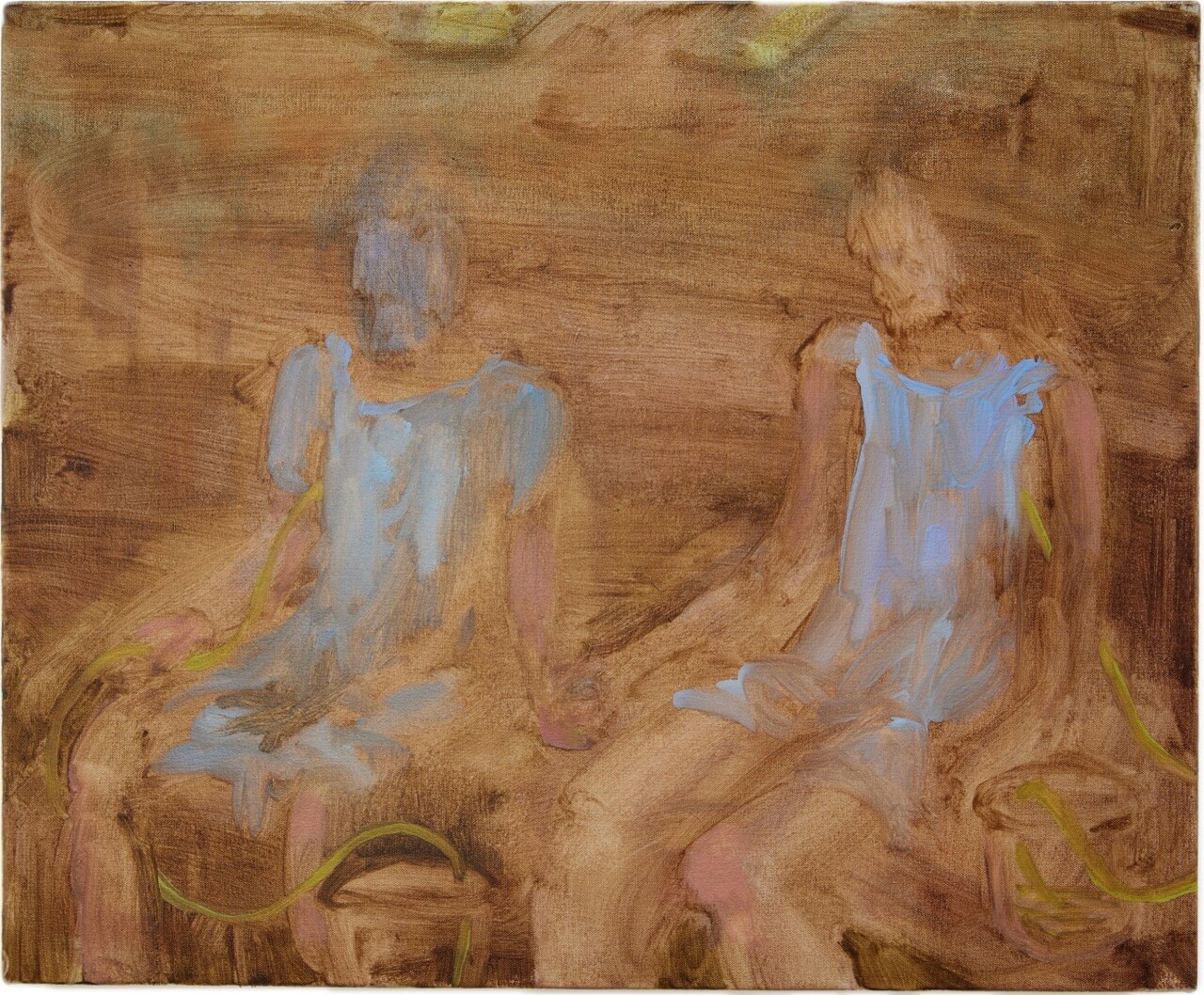
One Enters a Room brings together the work of Elizabeth Dimitroff, Isabel Muñoz-Newsome, and Natalie Charles. The presentation examines intimacy as a material condition – not decorative or confessional, but structural. Across these practices, paint and process become methods of thinking through memory, embodiment, and the instability of lived experience.
Dimitroff’s paintings unfold in a state of suspension. Forming surfaces gradually, only to recede or fracture, creating images that feel sensed rather than definitively seen. Her engagement with oil is integral: the medium’s slow transformation parallels the shifting nature of recollection. Time is embedded in the surface. Through repeated revisions, erasures, and adjustments, the work accumulates hesitation and return. What remains is not a clear narrative image, but an atmospheric trace – a painting that holds ambiguity as its resolution.
Muñoz-Newsome approaches the canvas through sensation and physical immediacy. Her paintings carry an underlying charge: colour is not applied to describe but to intensify; gesture operates as both assertion and response. Drawing from imagination, lived experience, and inherited visual languages, she constructs figures that feel psychologically present yet ambiguous. Beneath the surface lies a current of energy something volatile, partially obscured. The upper layers do not conceal this force entirely; instead, they temper it, allowing tension to persist.
Charles works through acts of gathering and reassembling, often beginning with archival fragments – photographs or remembered stories. In the Skifeee fontasy film studies, she turns to images of her grandfather’s hands, reconstructing them from photographs and memory. These gestures become more than likeness; they register adaptation, communication, and vulnerability. A series of smaller works originates from a book of Polaroids he once took – darkened, blurred images that informed her muted palette and layered handling of materials. Recognisable figures emerge imperfectly, prompting reflection on how personal histories blur when they are not actively preserved. Charles does not attempt restoration; instead, she allows gaps and distortions to remain visible, holding memory as something continually in flux.
Across the presentation, surface becomes a site of negotiation. Paint thickens, obscures, reveals. Images do not declare themselves fully but remain contingent, shaped by time and revision. Rather than staging overt narratives, the works propose a slower encounter – one in which presence is built gradually and meaning resists finality.